

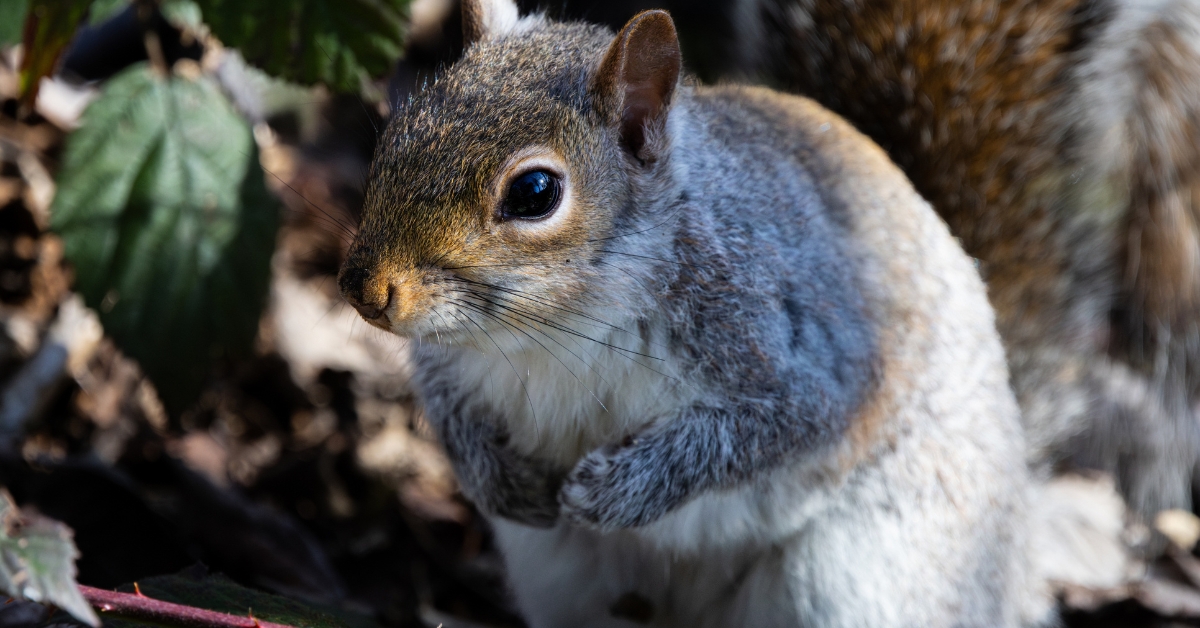
As summer fades and early fall sets in across Warminster, PA, many homeowners begin to notice unexpected scratching sounds in attics, soffits, or walls. One of the most common culprits is squirrels. While they may seem harmless outdoors, they can become persistent intruders as the seasons change. Understanding why this happens can help you respond before small entry issues turn into larger property concerns.
If you’re hearing signs of wildlife activity in your home, don’t wait for it to worsen. Get help through our contact page or call (215) 565-8605 for guidance and next steps.
Why Early Fall Triggers Squirrel Activity
As temperatures begin to drop, squirrels shift their focus from outdoor nesting to finding warm, sheltered spaces. Homes offer ideal conditions—warmth, safety, and easy access to insulation for nesting.
Common reasons for increased activity include:
- Preparing for colder winter months
- Searching for stable nesting locations
- Reduced food availability outdoors
- Instinct to store food and shelter early
In simple terms, your attic can look like a perfect “winter home” from a squirrel’s point of view.
How Squirrels Get Inside Homes
Squirrels are agile climbers and can access roofs, trees, and gutters with ease. Once they reach your roofline, it doesn’t take much to get inside.
Typical entry points include:
- Gaps in the roof edges or soffits
- Unsealed attic vents or chimneys
- Damaged roofing materials
- Openings near gutters or fascia boards
Even a small gap can be enough for a squirrel to squeeze through and establish a nesting area.
Our rodent and wildlife removal services focus on identifying how wildlife is entering and helping prevent repeated access.
Signs You May Have Squirrels Indoors
Squirrels are active during the day, so signs are often noticeable if you know what to look for.
Common indicators include:
- Scratching or scurrying sounds in the attic
- Droppings or nesting materials (like leaves or insulation)
- Chewed wood, wires, or stored items
- Increased activity in the early morning or late afternoon
These signs usually mean squirrels have already found a way inside.
Why Squirrels Can Cause Bigger Problems
While squirrels aren’t aggressive, they can cause damage over time if they remain indoors.
Potential issues include:
- Chewed electrical wiring can create safety hazards
- Damaged insulation reduces home efficiency
- Contamination from nesting materials and droppings
- Structural wear around entry points
The longer they stay, the more extensive the cleanup and repair can become.
What Homeowners Can Do to Reduce Risk
There are simple preventive steps that can help reduce the chances of squirrels entering your home:
- Trim tree branches away from the roofline
- Secure attic vents and chimney openings
- Inspect roof edges for visible gaps
- Keep outdoor food sources (like birdseed) managed
- Schedule seasonal home exterior checks
These steps can make your home less accessible and less attractive to wildlife.
When It’s Time to Get Help
If squirrels are already inside, or you suspect repeated entry, it’s important to address the issue early. Wildlife problems tend to escalate quickly in early fall as more animals search for shelter at the same time.
Newtown Termite & Pest Control provides wildlife and pest solutions designed to help homeowners in Warminster, PA identify entry points and manage unwanted animal activity safely and effectively.
Squirrel Control You Can Trust
Early fall is one of the most common times for squirrel intrusion, but it doesn’t have to lead to ongoing damage or disruption. Identifying entry points and acting quickly can make a major difference in protecting your home.
If you’re hearing signs of wildlife activity, contact Newtown Termite & Pest Control online or call (215) 565-8605 to learn more about your options.