

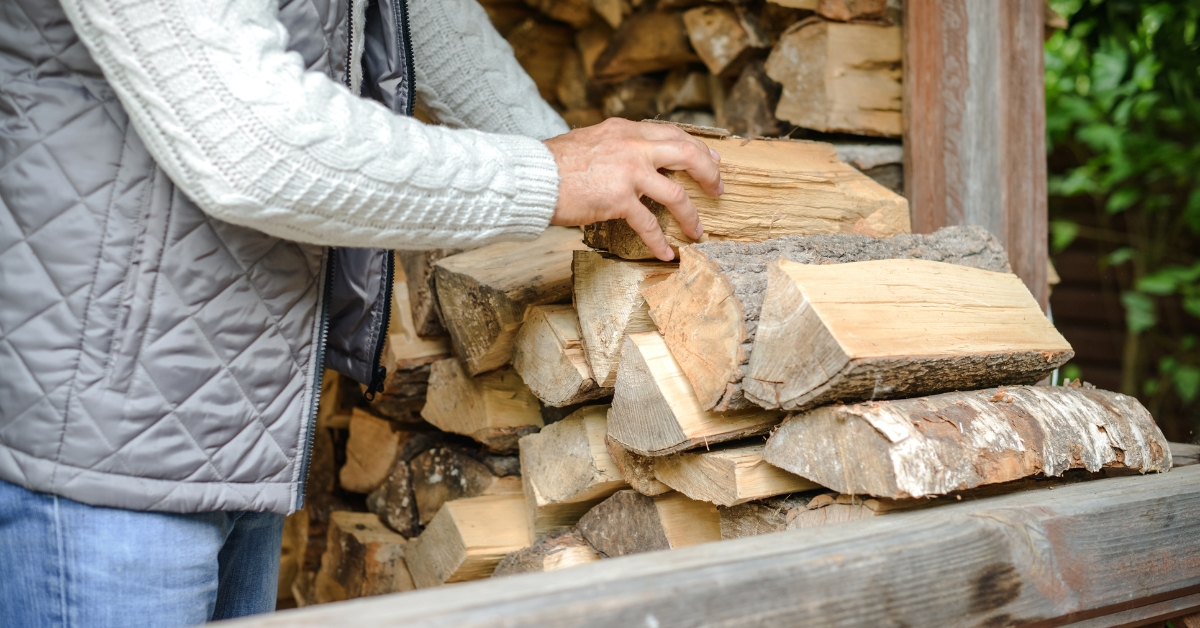
For many Warminster, PA homeowners, a stack of firewood is an important part of preparing for colder weather. However, stored wood can also provide shelter for insects and other pests looking for a safe place to hide. Understanding how to store firewood properly can help reduce the risk of attracting unwanted visitors to your home.
If you have noticed insects around your firewood pile or signs of pests indoors, taking action early can help protect your property.
Need help identifying a pest concern around your home? Contact Newtown Termite & Pest Control today for guidance and support. You can reach our team at (215) 565-8605 or submit a service request through our online contact form.
Why Firewood Can Attract Pests
Firewood naturally creates an environment where some pests may find food, moisture, and shelter. When wood sits close to your home for long periods, pests may eventually find their way inside through cracks, doors, or other openings.
Common pests that may be associated with firewood include:
- Ants, including carpenter ants
- Beetles and wood-boring insects
- Spiders
- Termites
- Other small insects are looking for shelter
Many of these pests are not a concern while they remain outdoors. Problems can occur when firewood is brought inside, and pests come along with it.
How Firewood Brings Pests Closer to Your Home
The location of your firewood pile can make a difference. Wood stored directly against your home provides pests with an easier path into entry points such as siding, foundations, doors, and windows.
To help lower the risk of pest activity:
- Store firewood several feet away from your home when possible
- Keep wood elevated off the ground using a rack or platform
- Avoid placing firewood near doors or windows
A little extra space between your woodpile and your home can make it harder for pests to enter your home.
Signs Your Firewood May Have Unwanted Guests
Before bringing logs inside, take a moment to inspect them. Small signs may indicate that pests are using your firewood as a hiding place.
Look for:
- Small holes or tunnels in the wood
- Sawdust-like material near logs
- Insects crawling on the surface
- Visible nests or webs
If you notice signs of pest activity, avoid bringing those pieces of wood indoors until the concern has been addressed.
Tips for Safer Firewood Storage
Proper storage habits can help protect your home while keeping your firewood ready for use during colder months.
Follow these simple steps:
- Keep firewood dry by covering the top while allowing airflow around the sides.
- Rotate older wood first, rather than letting stacks sit untouched for long periods.
- Shake or inspect logs before carrying them inside.
These steps do not remove every possibility of pest activity, but they can help reduce conditions that attract unwanted insects.
What To Do If Pests Enter Your Home
Even with careful storage, pests can sometimes make their way indoors. Once they enter, small insects may hide in cracks, walls, basements, or other protected areas.
Homeowners in Warminster, PA, who notice ongoing pest activity may benefit from a professional evaluation. Newtown Termite & Pest Control provides solutions for a variety of household pest concerns, including general pest control services.
An inspection can help identify the type of pest present and the appropriate steps for the situation.
Protect Your Home Before Winter Pest Problems Begin
Firewood is a valuable resource during colder months, but it can also attract pests closer to your home. Smart storage habits and early attention to pest activity can help reduce potential problems.
If you have questions about insects, rodents, or other pests around your property, contact Newtown Termite & Pest Control. Our team can help homeowners in Warminster, PA understand their options and take the next steps toward protecting their homes. You can reach out online or call (215) 565-8605 to discuss your concerns.